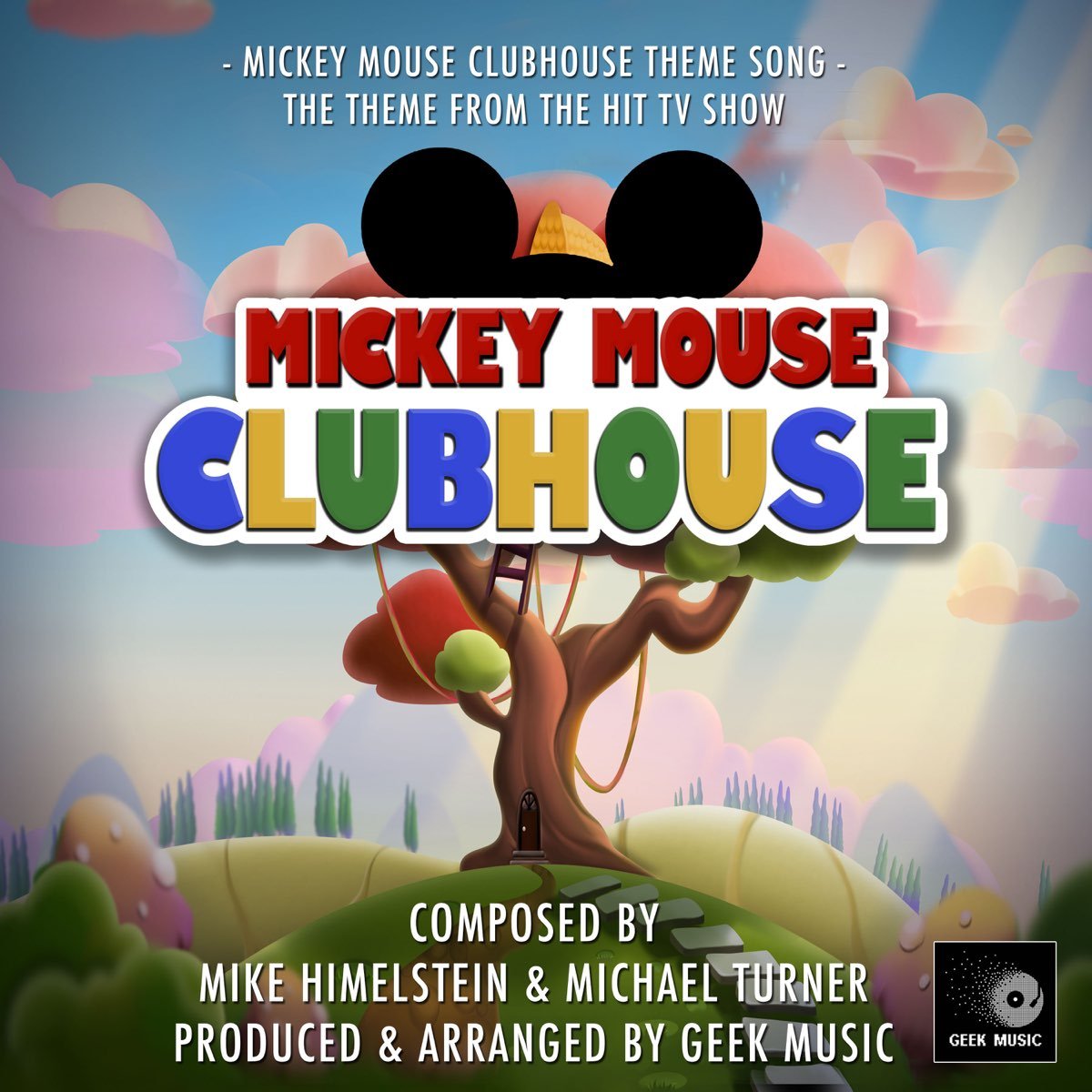
If you've spent any time around little ones, chances are you've heard the infectious "Hot Dog!" song or the catchy "Mousekedoer" jingle emanating from the television. The Songs & Music from Mickey Mouse Clubhouse Season 3 are more than just background noise; they're the vibrant, rhythmic heart of every adventure, a secret ingredient in how millions of children learn and play.
Far from being mere filler, the tunes and melodies from Mickey Mouse Clubhouse, particularly in its third season, weave together educational content with pure, unadulterated fun. They’re designed to engage, teach, and delight, turning every episode into a sing-along, dance-along, problem-solving party.
At a Glance: What Makes Season 3's Music Special
- Educational Foundation: Songs reinforce critical early learning concepts like numbers, shapes, and problem-solving.
- Catchy & Memorable: Melodies are crafted to stick, making learning effortless and fun.
- Interactive Design: Encourages children to sing along, dance, and participate in the story.
- Emotional Connection: Builds strong bonds with beloved characters through shared musical moments.
- Routine & Predictability: Recurring songs provide comfort and a sense of structure for young viewers.
- Enhances Storytelling: Music drives the narrative, signaling key moments and transitions.
The Enduring Rhythmic Heart of the Clubhouse
Think back to your own childhood. What songs instantly transport you to a specific memory or feeling? For today’s preschoolers, the Songs & Music from Mickey Mouse Clubhouse Season 3 often serve that exact purpose. These aren't just whimsical tunes; they're meticulously designed elements that contribute significantly to the show's educational mission and its lasting appeal.
The music in Clubhouse isn't just an accessory; it's a core component. Each jingle, each lyrical prompt, and every celebratory anthem works in tandem with the visual storytelling to create an immersive, engaging world. From the moment Mickey and friends appear, a musical thread guides young viewers through the day's challenge, the selection of Mousketools, and the joyful resolution. It's a testament to the power of well-crafted children's programming, ensuring that the learning is as delightful as the entertainment. If you're keen to explore the broader landscape of the entire season, you might find our guide on Everything Mickey Mouse Clubhouse Season 3 particularly illuminating.
More Than Just Tunes: The Educational Power of Song
Why do children's shows lean so heavily on music? The answer lies in early childhood development. Songs are incredibly effective tools for learning:
- Memorization: Repetitive lyrics and catchy melodies make it easier for young minds to absorb and recall information, whether it's counting to ten or identifying colors.
- Language Development: Exposure to varied vocabulary and sentence structures through song expands a child's linguistic understanding and expressive abilities.
- Cognitive Skills: Songs often involve sequences, patterns, and problem-solving cues, which are vital for developing critical thinking.
- Emotional Expression: Music helps children understand and express emotions, as the tone and lyrics often convey feelings like excitement, sadness, or joy.
Setting the Stage: Signature Sounds and Memorable Melodies
Every Clubhouse episode in Season 3, much like its predecessors, operates within a familiar musical framework. You have the upbeat opening theme that signals adventure, the specific jingles for calling Toodles or selecting a Mousketool, and of course, the iconic "Hot Dog Dance" that wraps things up. This predictable musical structure provides comfort and helps children anticipate what's coming next, fostering a sense of security and engagement that is crucial for young viewers. It’s a rhythmic routine that they can rely on, allowing them to relax and absorb the learning presented.
Deconstructing the Musical DNA of Season 3
What exactly constitutes the "sound" of Mickey Mouse Clubhouse Season 3? It's a vibrant tapestry woven from various musical threads, each serving a distinct purpose within the narrative and educational framework. You’ll find a mix of direct instruction, emotional cues, and sheer celebratory fun.
The Problem-Solving Anthems: Hot Dog Dance and Toodle's Tunes
While specific song titles might vary from episode to episode (and we're drawing from the general spirit of Clubhouse music, given the lack of specific Season 3 song lists in our ground truth), the types of songs remain consistent and deeply effective.
- The "Mousekedoer" Song: This pivotal tune isn't just a catchy opening; it’s an interactive call to action. It sets the stage for the day's adventure, encouraging children to think along with Mickey about what "Mousketools" might be needed. Its repetitive structure and question-and-answer format perfectly prime young viewers for active participation.
- Toodles' Jingle: When Toodles appears, a specific, recognizable jingle accompanies his arrival. This musical cue is vital for signaling to children that it's time to choose a tool. It's short, sweet, and serves as an auditory "aha!" moment, reinforcing the concept of having options and making decisions.
- The "Hot Dog Dance" Song: Ah, the grand finale! This is arguably the most famous and beloved song from the series. It's pure celebration, a reward for successful problem-solving, and a burst of joyful energy. The lyrics are simple, the beat is infectious, and it's designed to get every child (and parent!) on their feet. It reinforces the idea of achievement and the positive feelings associated with working together.
Learning Through Lullabies and Upbeat Ballads: Numbers, Shapes, and Colors in Harmony
Beyond the signature tunes, many songs in Season 3 are directly integrated into the learning objectives of each episode. Imagine a song about counting the number of balloons needed for a party, or a rhyme about identifying different shapes to build a bridge.
These educational songs are masterfully disguised as fun sing-alongs. They often feature:
- Simple, direct lyrics: Easy for children to understand and repeat.
- Clear visual cues: The animation directly illustrates the concepts being sung about.
- Repetition: Key terms and ideas are repeated multiple times within the song, aiding memory retention.
- Positive reinforcement: The overall tone is encouraging and celebratory, making learning a positive experience.
Whether it’s a song about matching colors to find a hidden treasure or a tune about the steps to planting a garden, these musical segments are fundamental to the Clubhouse curriculum.
Character Themes and Emotional Resonance
Each character in Mickey Mouse Clubhouse, while sharing in the collective musical experience, also contributes to the emotional landscape through sound. While there aren't necessarily distinct "character themes" in the traditional sense, the characters' voices and their specific musical interactions (like Goofy's silly antics often accompanied by playful sounds, or Minnie's gentle songs) add layers of personality. The music helps convey their emotions—Mickey’s determination, Donald’s frustration, Minnie’s kindness—making the characters more relatable and enhancing the child's emotional connection to the show.
The Role of Repetition: A Child's Best Friend in Learning
Repetition isn't just for rote memorization; it's a cornerstone of how young children learn. The music in Clubhouse Season 3 leverages this beautifully. Familiar melodies, repeated phrases, and recurring song structures (like the call-and-response format of the "Mousekedoer") provide a predictable framework that:
- Boosts Confidence: Children know what to expect and can actively participate, fostering a sense of accomplishment.
- Reinforces Concepts: Hearing a concept sung multiple times, in slightly different contexts, deepens understanding.
- Aids Anticipation: Kids learn to anticipate the next line or action, sharpening their predictive skills.
This deliberate use of repetition transforms viewing into an active learning experience, making the Songs & Music from Mickey Mouse Clubhouse Season 3 incredibly effective for its target audience.
Beyond the Bing-Bong: Iconic Musical Moments (or Types of Moments)
While we're discussing Season 3, it's worth acknowledging that the show's musical structure is consistently brilliant across seasons. The third season certainly continued these well-loved traditions, bringing new adventures and fresh lyrical takes to familiar musical moments.
The "Mousekedoer" Magic: Getting Ready for Adventure
Every episode begins with the "Mousekedoer" song. It's the rallying cry, the moment Mickey asks viewers to help him call forth the Mousekedoer to get the tools. This interactive song isn't just about setting the plot; it actively involves children in the process of identifying a problem and preparing to solve it. It’s a fantastic example of music as a tool for guided participation.
The "Hot Dog Dance": The Ultimate Celebration
You simply cannot talk about Mickey Mouse Clubhouse music without mentioning the "Hot Dog Dance." It’s the celebratory peak of every episode, performed by Mickey and his friends (and often by Hot Dog, the actual hot dog!). This song is a masterclass in joyful resolution. It teaches children that challenges can be overcome, and that success is worth celebrating. The simple, repetitive choreography and upbeat tempo make it irresistible for dancing along. It's not just a song; it's an event.
Toodle's Tunes: Delivering the "Mousketools"
When Mickey calls for Toodles, a distinct, short, and sweet jingle accompanies Toodles' appearance and the presentation of the "Mousketools." Each tool often gets its own little musical flourish as it's selected. These short musical cues are essential for:
- Signaling Importance: The music highlights that a critical decision (choosing the right tool) is about to happen.
- Pacing: It allows for a brief moment of reflection and anticipation before the tool is selected.
- Reinforcing Tool Names: Often, the name of the tool is emphasized musically, helping children learn new vocabulary.
Seasonal and Special Episode Songs
Season 3 likely featured special songs tailored to specific themes or holidays, much like other seasons. Whether it was a spooky Halloween tune, a festive Christmas carol, or a song about friendship for a special occasion, these variations added freshness while retaining the Clubhouse's core musical identity. These songs allow the show to connect with children's real-world experiences and celebrations, making the content even more relevant and engaging.
Crafting the Clubhouse Sound: The Composers' Touch
Behind every memorable children's show melody is a team of talented composers and lyricists who understand the unique psychology of engaging young audiences. The Songs & Music from Mickey Mouse Clubhouse Season 3 are no exception; they are the product of deliberate, expert creation.
Behind the Scenes: The Melodic Architects
While specific composers for every single track in Season 3 might be extensive to list, the general approach involves professionals who specialize in children's media. These individuals often have backgrounds in early childhood education or child psychology, allowing them to craft music that is not only entertaining but also developmentally appropriate. They understand the ideal tempo for a young child's attention span, the vocal ranges that are easy to imitate, and the types of lyrical content that resonate most deeply.
The Art of Catchiness: Why These Songs Stick
Have you ever found yourself humming a Clubhouse tune long after the TV is off? That’s no accident. The "catchiness" of these songs is a deliberate art form, achieved through several techniques:
- Simple Melodies: Often using diatonic scales, these tunes are easy for the ear to follow and the voice to reproduce.
- Repetitive Hooks: A core musical phrase that is repeated frequently throughout the song.
- Clear Rhythms: A steady, predictable beat that encourages movement and dancing.
- Optimistic Tone: The music almost always carries an upbeat, positive, and encouraging tone, aligning with the show’s overall message.
- Vocal Clarity: Lyrics are sung clearly and at a moderate pace, ensuring young listeners can understand every word.
This combination creates music that is not just heard, but felt and remembered, making the learning elements within the songs incredibly effective.
The Impact and Legacy: More Than Just Entertainment
The true measure of the Songs & Music from Mickey Mouse Clubhouse Season 3 isn't just in their popularity, but in their lasting impact on young viewers. These aren't just earworms; they're foundational experiences that contribute significantly to a child's development.
Nurturing Cognitive Skills Through Song
- Problem-Solving: Songs that introduce the "Mousketools" or outline steps for a task help children develop sequential thinking and problem-solving strategies. They learn to identify a challenge, consider options, and execute a plan.
- Early Math Concepts: Counting songs, shape identification songs, and size comparison tunes lay crucial groundwork for mathematical understanding.
- Vocabulary Expansion: Children are exposed to new words and phrases in a fun, contextualized manner, boosting their language skills.
- Memory and Recall: The repetitive nature of the songs significantly aids memory development, as children practice recalling lyrics and associated actions.
Building Emotional Connections with Characters
Music has a profound ability to evoke emotion. The joyful, reassuring tones of Clubhouse songs help children build a deep, positive connection with Mickey, Minnie, Goofy, and the gang. When characters sing about working together, being kind, or overcoming a minor setback, the music amplifies these messages, making them more impactful. This emotional resonance helps foster empathy and positive social behaviors.
Fostering Imagination and Play
Beyond direct instruction, the music sparks imagination. Children often re-enact scenes, sing the songs during their playtime, or invent new adventures inspired by the Clubhouse. The music provides a soundtrack to their imaginative worlds, transforming mundane activities into exciting quests. This kind of imaginative play is vital for creativity and healthy development.
Your Musical Clubhouse Journey: How to Engage with the Tunes
The beauty of the Songs & Music from Mickey Mouse Clubhouse Season 3 is their inherent interactivity. They invite participation, making the viewing experience much richer for children and providing fantastic opportunities for parents and caregivers to engage directly.
Sing Along: Lyrics and Participation
Don't just listen; sing! Encouraging children to sing along with the songs reinforces vocabulary, improves rhythm, and boosts confidence. Many lyrics are simple enough for even very young children to grasp. You might even find lyric videos online (from unofficial sources, as official ones aren't typically released as standalone products for the show's songs) that can help you join in. The more you sing with your child, the more they will engage.
Dance Party Time: Getting Active with Mickey
The "Hot Dog Dance" is practically an invitation to move! But nearly every upbeat song in Clubhouse can be a catalyst for a mini dance party. Encourage your child to get up, wiggle, jump, and express themselves physically. This not only burns energy but also helps with motor skill development and coordination. Make it a joyful, no-judgment zone where every move is perfect.
Educational Reinforcement: Taking Lessons Beyond the Screen
The songs present fantastic teaching moments. If a song is about counting, try counting real objects around the house afterward. If it's about shapes, point out circles and squares in your environment. The music provides a springboard for extending learning into the child's everyday world, making the concepts more concrete and understandable.
Creating Your Own Clubhouse Moments
Inspired by the show's problem-solving format, use the songs as a prompt for your own "Mousketool" moments. When faced with a small challenge (e.g., tidying up toys), hum the "Mousekedoer" tune and ask your child, "What tool do we need?" (e.g., a basket for toys, a rag for cleaning). This helps internalize the problem-solving framework in a fun, musical way.
Addressing Common Questions About Clubhouse Music
Even for familiar shows, parents often have questions about the musical elements. Here are some common inquiries about the Songs & Music from Mickey Mouse Clubhouse Season 3 and their answers.
Are the songs the same in every season?
While core songs like the "Mousekedoer," Toodles' jingle, and the "Hot Dog Dance" remain consistent throughout the series (including Season 3), many of the specific educational or theme-driven songs within individual episodes change. Each season introduces new adventures, and with them, new musical numbers designed to support that episode's unique learning objectives. So, while the framework is similar, the content itself refreshes.
Where can I find all the song lyrics?
Official, comprehensive lyric books for Mickey Mouse Clubhouse songs are not widely available as standalone products. However, many fan-made lyric transcriptions and videos can be found online through a quick search. The simplicity and repetition of the lyrics also make them quite easy to pick up by ear after a few listens.
How do these songs help with early childhood development?
As discussed earlier, these songs are powerful developmental tools. They assist with:
- Cognitive Skills: Problem-solving, counting, shape recognition, memory.
- Language Skills: Vocabulary expansion, clear articulation, sentence structure.
- Motor Skills: Dancing, mimicking actions, coordination.
- Emotional Development: Understanding and expressing feelings, empathy.
- Social Skills: Cooperation (through themes of teamwork), turn-taking (in interactive songs).
They make learning joyful and accessible, tapping into multiple senses to create a holistic educational experience.
What are the most popular songs from Season 3?
Given the integrated nature of Clubhouse music, it's rare for specific episode songs from a particular season to gain individual chart-topping fame outside of the show. The true stars are the recurring, foundational songs like the "Hot Dog Dance," the "Mousekedoer" song, and Toodles' jingle. These are the melodies that define the Clubhouse musical experience across all seasons, including Season 3, and are the most universally recognized and beloved by young viewers.
Beyond the Screen: Extending the Musical Experience
The curtain may fall on an episode, but the music from Mickey Mouse Clubhouse Season 3 doesn't have to fade away. It’s an invaluable resource for continued learning and joyful interaction.
Keep the Clubhouse spirit alive by incorporating its musical lessons into your daily routine. Sing the "Hot Dog Dance" when you accomplish a task together, or hum the "Mousekedoer" tune to kick off a new family activity. These simple actions transform screen time into a springboard for real-world engagement, creativity, and development. The music isn't just entertainment; it's a tool for connection, learning, and creating lasting, happy memories with the little ones in your life.